The 5000-Year Metaverse · Literati Series
Master Yuan's Academy
A literati gathering, from dawn to moonlight
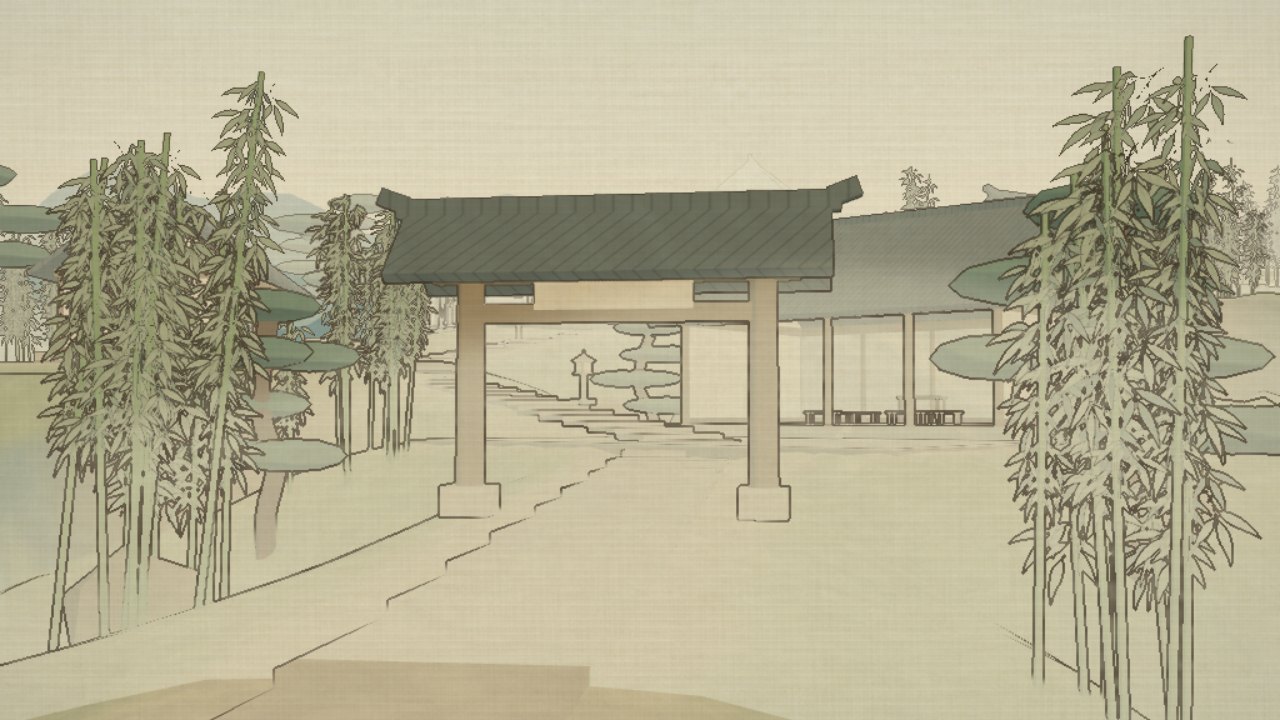
Wu Zimu of the Southern Song wrote in "Dreams of the Former Capital": "Burning incense, whisking tea, hanging paintings, arranging flowers: the four leisurely arts." Today the mountain academy holds a literati gathering (yaji), and Master Yuan is waiting for you at the gate.
Spend a Song-dynasty day with him: reading, writing and printing books with movable type in the morning, whisking tea and burning incense in the afternoon, hanging paintings and arranging flowers at dusk, and playing the guqin on the terrace when the moon rises. Each stop tells where one of these elegant arts came from.
Scroll down to follow Master Yuan through the gate
Stop 1 · Dawn · 5–7 am
Gate · Lecture Hall
Three duties of an academy: teaching, books and rites
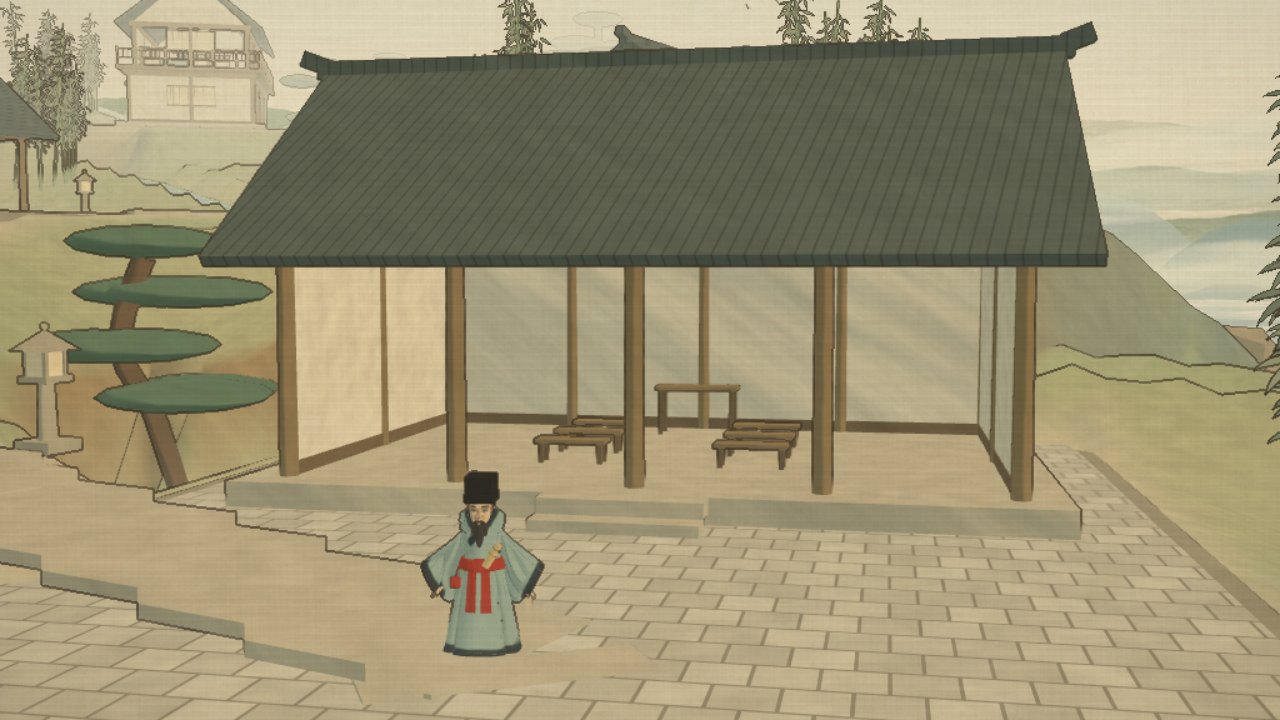
Academies arose in the Tang dynasty and flourished in the Song. They were schools that scholars ran for themselves, and a Song academy did three things. In the hall, the master lectured while students questioned and debated him. In the library, books were kept and lent to readers. And at the shrine, rites honoured the sages of the past, so no one forgot where learning came from. In the Southern Song, Zhu Xi restored the White Deer Grotto Academy and wrote its rules, the "Articles of the White Deer Grotto". Many later academies used them as a model.
Did you know?Bow before you enter. Join your hands in front of your chest and lean forward slightly. In the usual salute the left hand is on the outside, wrapping the right, as a sign of respect.
A greeting at the gate; no token here
Stop 2 · Morning · the mist lifts
The Study · Brush, Ink, Paper, Inkstone
The Four Treasures of the Study, each with a story
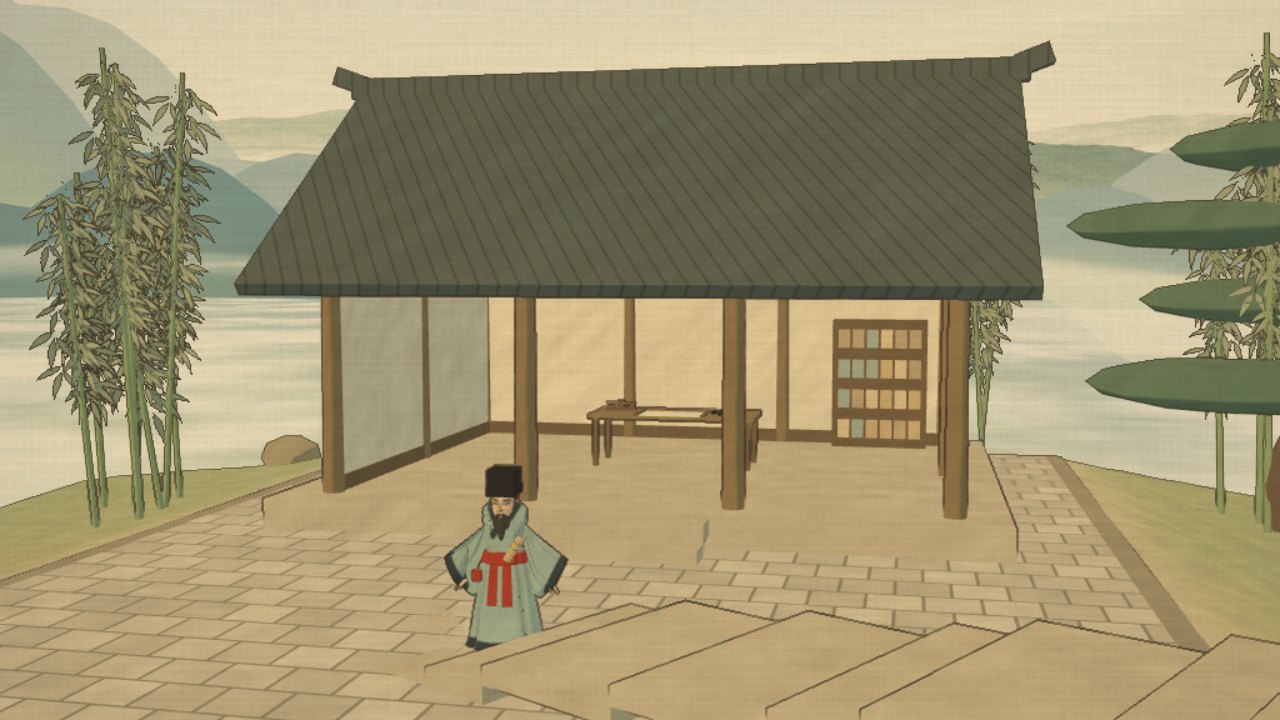
Brush, ink, paper and inkstone are called the Four Treasures of the Study. In the Northern Song, Su Yijian wrote the "Four Manuals of the Study", recording where each treasure came from, how it was made and which pieces were finest. In later times each had its famous home: brushes from Huzhou, ink from Huizhou, paper from Xuanzhou and inkstones from Duanzhou. Before writing, one grinds the ink. Evenly ground ink gives the characters their spirit.
Did you know?An old saying goes: "Grind ink like an invalid, hold the brush like a strongman." Grind without haste: press lightly and circle slowly, always in one direction.
Pass to earn the gathering token “Inkstick”
Stop 3 · Late morning
Print Shop · Movable Type
One character, one piece of type: set a whole book
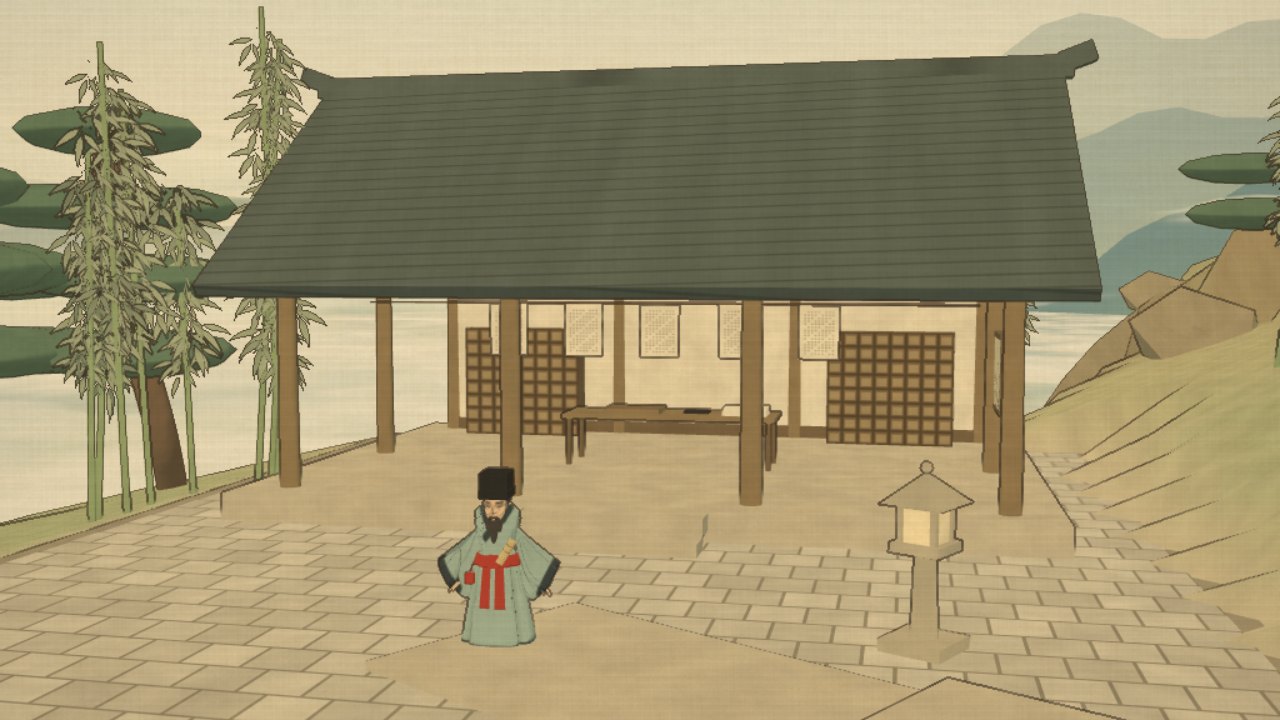
The Song was a golden age of printing, and "Song editions" are still treasured as rare books. In the Qingli years of the Northern Song, a commoner named Bi Sheng invented movable type made of baked clay. Each character was carved as a small stamp; the stamps were set into a page and printed, then taken apart and used again. Shen Kuo described the method in detail in his "Dream Pool Essays". Even the "Song typeface" on today's computers descends from the lettering of Song printed books, though it took its final form in the Ming.
Did you know?The characters on movable type are carved in reverse, so that they print the right way round. Bi Sheng used two iron plates in turn: while one was printing, the next was already being set. Printing was fast and plentiful.
Pass to earn the gathering token “Movable Type”
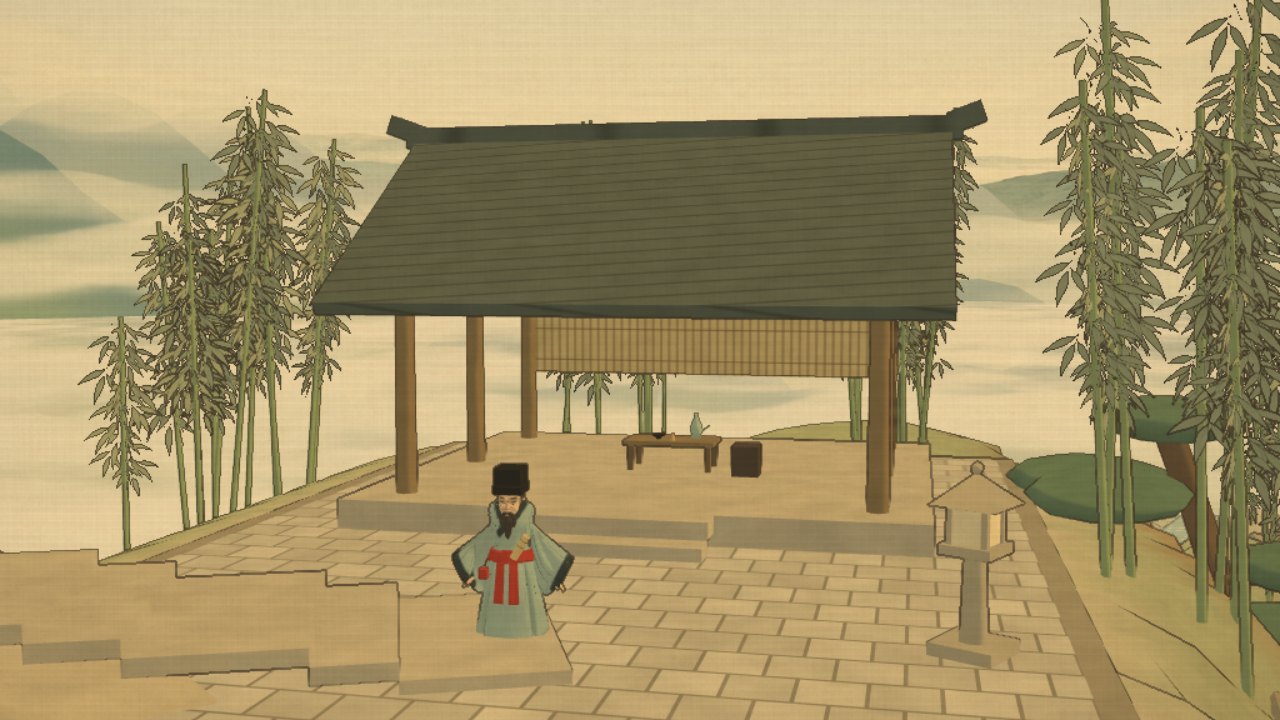
Stop 4 · Early afternoon
Tea Hut · Whisked Tea
Whisk up a froth as white as fresh snow
The Song did not steep their tea; they whisked it. A tea cake was ground to a fine powder, sifted and put in a bowl. A little hot water turned it into a paste; then more water was poured while a bamboo whisk beat it briskly, raising a layer of fine white froth. Emperor Huizong described a method of seven pourings in his "Treatise on Tea". When scholars gathered, they held tea contests to see whose froth was whiter and lasted longer.
Did you know?Cai Xiang wrote in his "Record of Tea": "Tea is white, so a black bowl suits it." Black-glazed Jian bowls set off the white froth best. When the froth clings to the side of the bowl and will not fade, it is said to "bite the bowl".
Pass to earn the gathering token “Jian Tea Bowl”
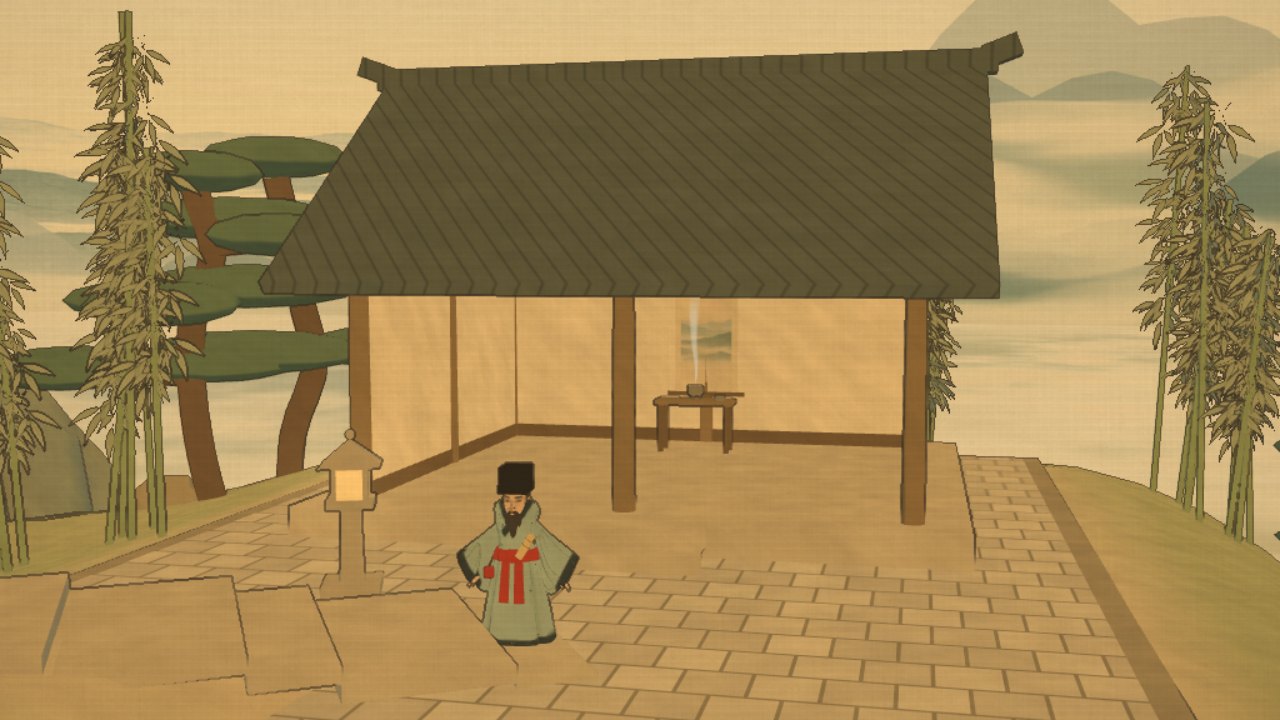
Stop 5 · Late afternoon · slanting sun
Incense Room · Burning Incense
A burner of incense is also a clock
The Song liked to warm their incense "through a screen". A piece of charcoal was buried in ash and covered with a thin sheet of mica or silver; the incense rested on the sheet and gave off its scent slowly, with hardly any smoke. There was also the incense seal: a carved mould pressed incense powder into a pattern drawn in one unbroken line. Lit at one end, the ember crept slowly along the whole path.
Did you know?An incense seal always takes the same time to burn, so it could also tell the hours. The Song "hundred-mark incense" burned for exactly one day and one night.
Pass to earn the gathering token “Incense Seal”
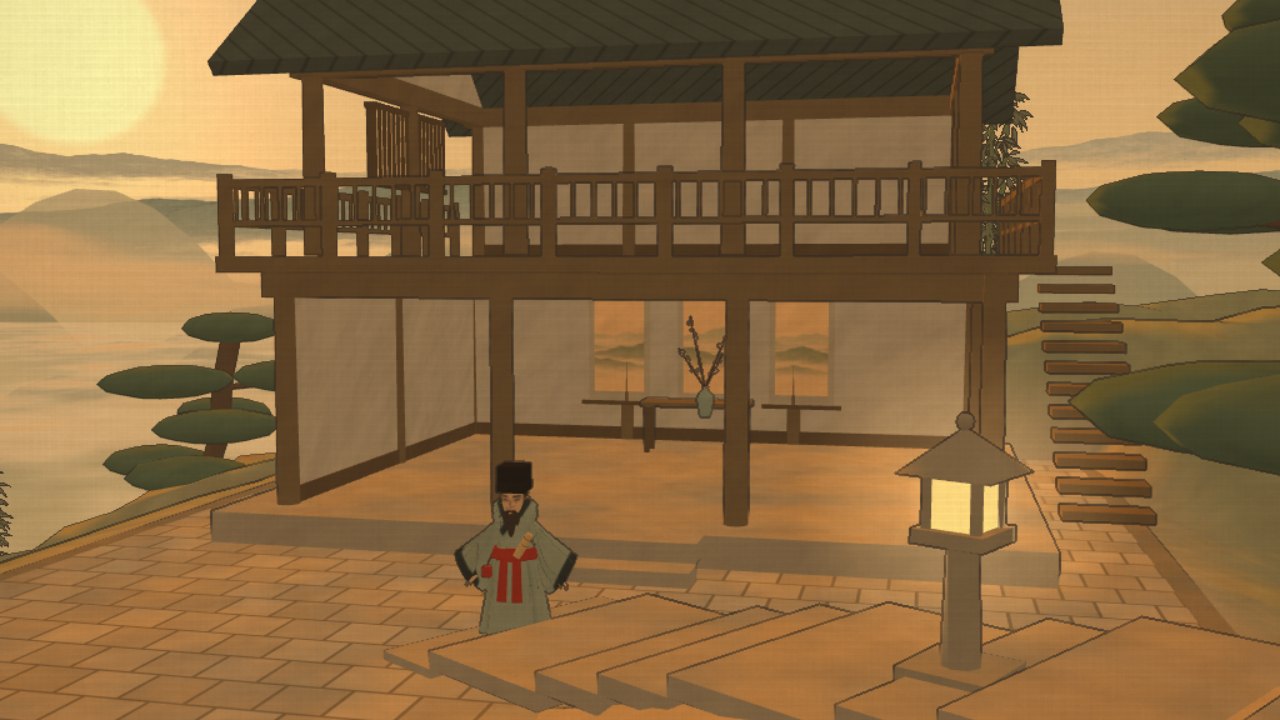
Stop 6 · Dusk
Painting Loft · Scrolls and Flowers
One sprig in a vase, and spring fills the room
Song households did not leave paintings hanging for long. They changed them with the seasons and the occasion, and rolled them away after viewing. Song paintings came in three main formats: hanging scrolls, handscrolls and albums. A handscroll is unrolled from right to left, one section at a time. Arranging flowers was part of daily life too, and a vase needs only a few. One tall stem leads, with one or two lower, slanting stems in support, balancing the full and the sparse.
Did you know?Wu Zimu of the Southern Song wrote in "Dreams of the Former Capital": "Burning incense, whisking tea, hanging paintings, arranging flowers: the four leisurely arts." In this hall you may try all four with your own hands.
Pass to earn the gathering token “Flower Vase”
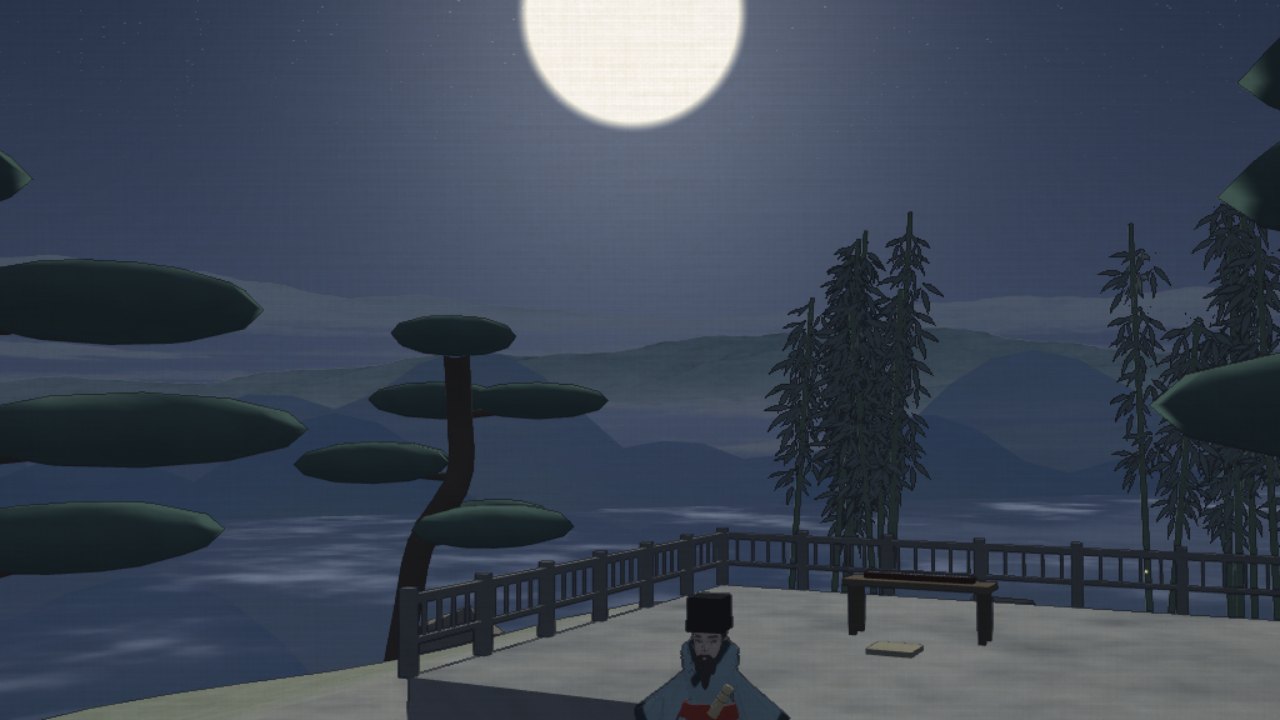
Stop 7 · Night · moonrise
Qin Terrace · Playing the Qin
Seven strings, thirteen studs: a tune for the bright moon
The guqin has seven strings and thirteen studs called hui, and scholars prized it above every other instrument. The Song spoke of "the qin on the left, books on the right": every study had a qin hanging on its wall. Qin music was written in "reduced notation", in which the characters for fingerings and string positions were taken apart, simplified and combined into compact square symbols. In 2003 UNESCO proclaimed guqin music a Masterpiece of the Oral and Intangible Heritage of Humanity.
Did you know?The thirteen round dots on the face of the qin are the hui. They mark where the harmonics sound, and are usually inlaid with mother-of-pearl or jade, so they gleam in the moonlight.
Pass to earn the gathering token “Qin Tuning Peg”
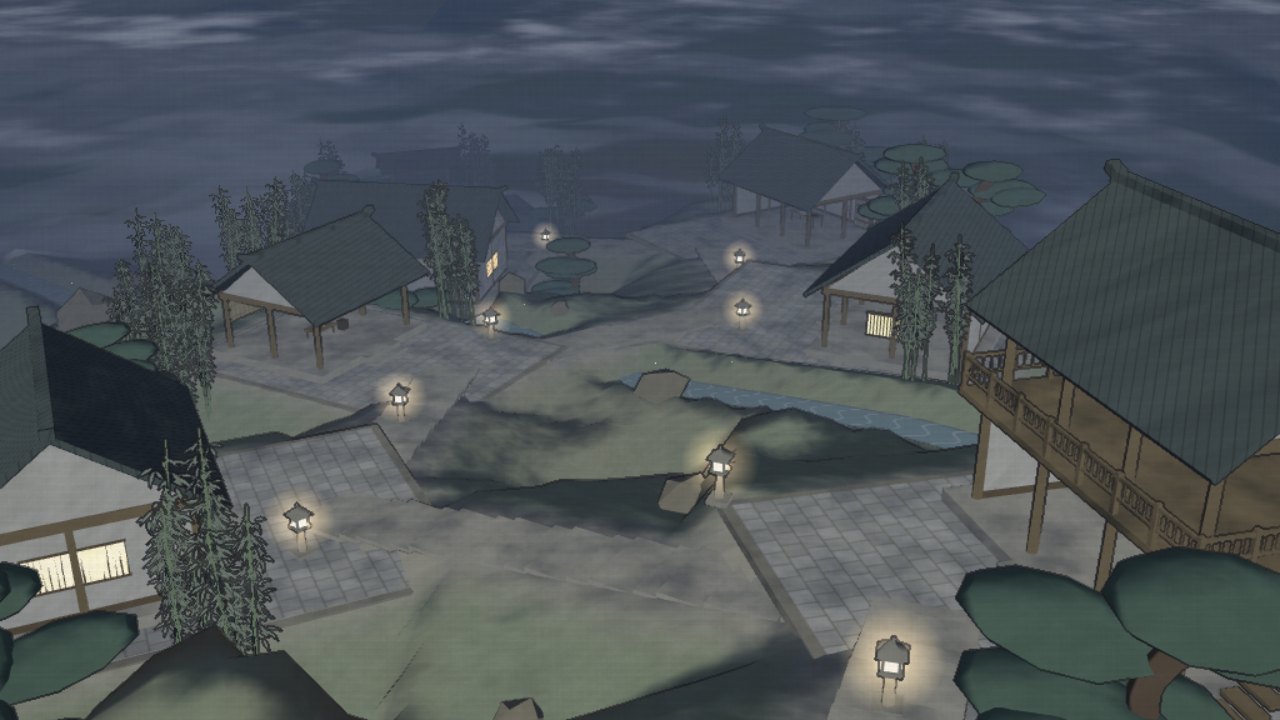
Farewell · Late night
Fine things reward a long look
Grinding ink, printing books, whisking tea, burning incense, arranging flowers, playing the qin: the people of the Song turned their days into paintings. These arts have not gone far. An inkstone, a tea bowl, a burner of incense can still be held in the hand and set on a desk today.
The 5000-Year Metaverse · Co-built halls · Heritage and traditional culture partnerships · Cultural co-branding · School study trips
- Phone
- +86 158 1103 2712
- nechina@126.com
- Address
- 6-5-201 Dihua Li, Huayuan Residential Area, Nankai District, Tianjin, China
This hall focuses on the Song dynasty, with glances at what came before and after. For invoices and other business matters, please contact us through Business Inquiry.